
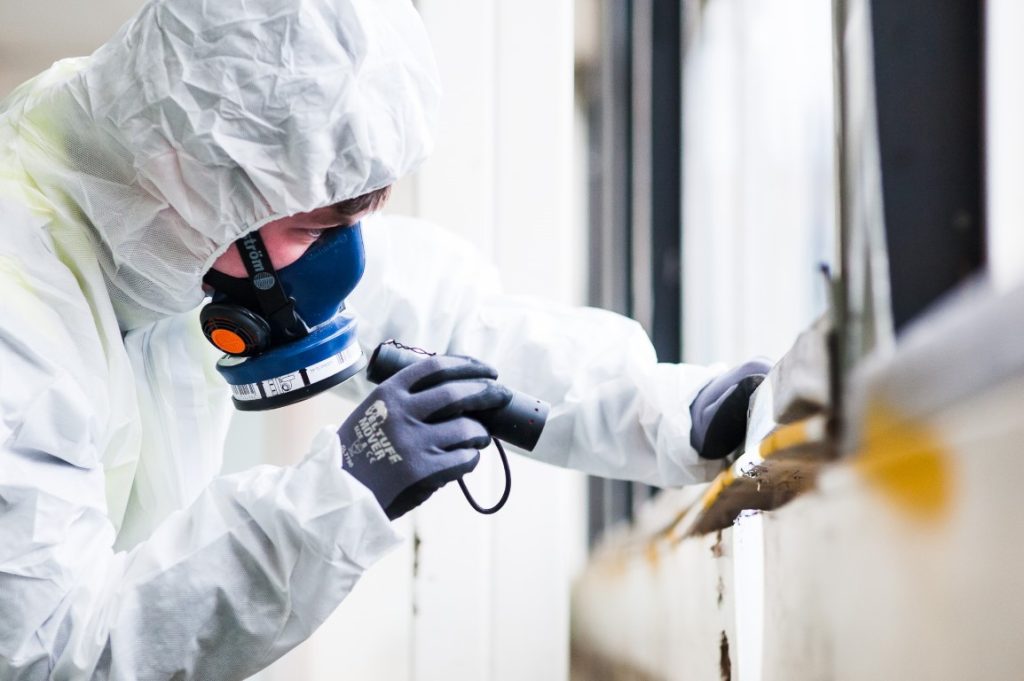
Asbestos Testing With UKAS Laboratory Certified Results
Asbestos testing is a critical process to identify asbestos-containing materials (ACMs) in residential, commercial, and industrial properties. When asbestos testing is conducted in a UKAS-accredited laboratory, it ensures that results meet internationally recognised standards of accuracy and reliability. According to recent industry data, UKAS-certified laboratories provide testing with a detection accuracy exceeding 99%, significantly reducing the risk of false negatives. For property owners and duty holders, certified testing is not only a regulatory requirement but also a crucial step in protecting the health of occupants and workers.
Who Should Conduct Asbestos Testing?
Legally, asbestos testing must be carried out by qualified professionals who follow strict protocols. Duty holders, including landlords, employers, and facilities managers, are responsible for ensuring that all suspect materials are tested before maintenance, refurbishment, or demolition work. Statistics indicate that approximately 45% of UK non-domestic buildings constructed before 2000 still contain asbestos, making professional testing essential. Engaging certified laboratories ensures that results are legally defensible and fully compliant with the Control of Asbestos Regulations 2012.
What Types of Asbestos Testing are Available?
There are several types of asbestos testing, including bulk sampling, air monitoring, and surface dust analysis. Bulk sampling involves collecting material samples from walls, ceilings, or insulation to determine the presence of asbestos fibers. Air monitoring measures airborne fiber concentration during or after works, while surface dust analysis detects any contamination left behind. Research shows that combining bulk sampling with air monitoring provides the most comprehensive assessment, reducing exposure risks by up to 70% compared to visual inspections alone.
How is Asbestos Testing Conducted in UKAS Laboratories?
UKAS-accredited laboratories follow rigorous procedures to ensure precise and consistent results. Samples are logged, labelled, and analysed using advanced techniques such as polarized light microscopy (PLM) or scanning electron microscopy (SEM). Data shows that laboratories adhering to UKAS standards have significantly lower error rates, with over 98% of tested samples correctly classified. Each report provides detailed information on the type of asbestos detected, its concentration, and recommendations for safe management or removal.
Why Are Certified Results Important for Legal Compliance?
Certified laboratory results are legally recognized and can be used to demonstrate compliance with asbestos management regulations. Duty holders must maintain accurate records of testing results, as they may be requested by regulatory authorities during inspections. Studies indicate that properties with certified testing reports have a 60% lower likelihood of regulatory non-compliance fines compared to those using uncertified testing. Certified results also offer peace of mind, ensuring that any necessary remediation is based on reliable scientific evidence.
What Are the Risks of Using Non-Certified Testing?
Relying on non-certified testing or uncertified laboratories can lead to inaccurate results, increasing the risk of asbestos exposure. Research indicates that misidentification of ACMs occurs in up to 15% of unaccredited testing, potentially exposing workers and occupants to hazardous fibers. Beyond health risks, legal repercussions can include fines, insurance disputes, and potential liability claims. UKAS certification provides an independent verification of accuracy, minimizing these risks and reinforcing duty holders’ commitment to safety.
How Can Property Owners Ensure Safe Asbestos Management?
To maintain a safe environment, property owners should engage accredited laboratories for all asbestos testing and integrate the results into a structured asbestos management plan. Regular inspections and re-testing after renovations or accidental damage are recommended. Data shows that ongoing monitoring and adherence to certified testing protocols reduce asbestos-related incidents by more than 50% in high-risk buildings. Combining professional surveys with UKAS-certified testing ensures compliance, protects health, and supports informed decision-making for building maintenance and refurbishment.
UKAS-certified asbestos testing is more than a legal requirement—it is an essential safeguard for health, safety, and regulatory compliance. Accurate testing, supported by certified laboratory results, empowers duty holders to manage asbestos risks effectively and protect all building occupants.
