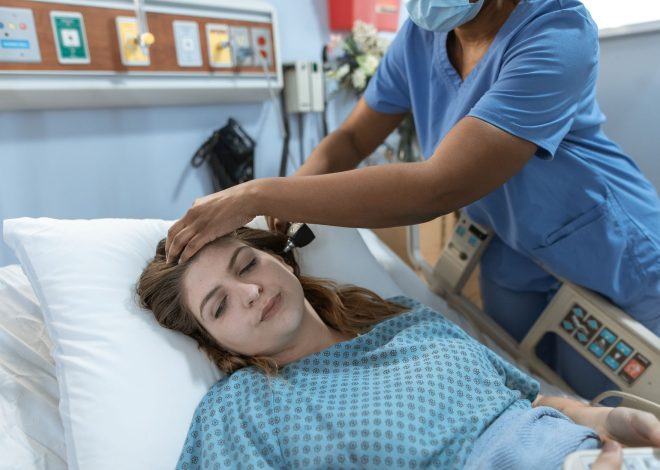

A Patient-Centered Perspective on Advanced CLI Treatment
Treating critical limb ischemia requires a careful balance between urgency, precision, and individualized decision-making. The condition can involve severe arterial disease, painful symptoms, wounds, or tissue loss, making timely vascular assessment particularly important. Modern treatment has increasingly moved toward personalized strategies that consider anatomy, tissue needs, procedural feasibility, and long-term limb preservation. Within this field, Dr Jihad Mustapha has contributed to research and professional education concerning complex peripheral artery disease and innovative approaches to critical limb ischemia.
The first stage of effective treatment is often a comprehensive assessment. A clinician needs to determine how severely blood flow is impaired and how the circulation relates to the patient’s symptoms or wound. Diagnostic imaging can identify arterial narrowing, blockage, calcification, and other anatomical challenges. Clinical examination adds information that imaging alone cannot provide, including skin condition, wound appearance, temperature changes, pulses, and functional limitations.
Once the vascular problem is defined, treatment planning becomes highly individualized. Endovascular procedures can provide a less invasive method of improving arterial blood flow in appropriately selected patients. Balloon angioplasty may be used to expand narrowed segments, while atherectomy and other technologies can address certain forms of obstructive disease. Research involving Dr. Mustapha has examined endovascular treatment approaches and outcomes in patients with critical limb ischemia.
An important principle in complex CLI treatment is that restoring circulation should be connected to the needs of the affected tissue. The angiosome concept provides one framework for this planning. It divides the foot and lower extremity into vascular territories supplied by particular arteries. Work involving Dr. Mustapha and colleagues has explored direct and indirect revascularization within this framework. The concept can help clinicians consider which arterial pathway may provide the most useful circulation to an area requiring healing.
Innovation becomes even more significant when conventional options are difficult or unavailable. Percutaneous deep venous arterialization has been investigated as a strategy for selected patients with advanced limb-threatening ischemia and limited conventional revascularization choices. Published research involving Dr. Mustapha has contributed to the literature examining this technique. Such procedures demonstrate how vascular medicine continues to investigate alternative methods for supporting blood flow in challenging clinical situations.
Treatment should not end when blood flow has been restored. Limb preservation depends on continuing attention to wound care, infection prevention and management, mobility, cardiovascular risk factors, and follow-up evaluation. Patients may also need education about recognizing changes in pain, skin appearance, wound condition, or walking ability. A structured follow-up plan can help identify complications or recurrent circulation problems at an earlier stage.
Clinical research also plays a key role in improving decision-making. Studies associated with Dr. Mustapha have examined outcomes in patients with critical limb ischemia and have addressed factors relevant to long-term management. This evidence-based approach helps clinicians evaluate not only procedural success but also the broader patient journey.
The continuing evolution of CLI care demonstrates why multidisciplinary thinking is essential. Dr Jihad Mustapha has been involved in research and educational efforts that reflect the growing emphasis on advanced endovascular techniques, detailed anatomical planning, and limb-preservation strategies. By combining clinical assessment, vascular imaging, innovative intervention, and ongoing care, modern specialists can approach complex ischemic disease with greater precision and a stronger focus on patient needs.
Quick Summary
- Critical limb ischemia (CLI) treatment requires a balance between urgency, precision, and personalized decision-making.
- A comprehensive assessment is the first stage of effective CLI treatment, determining blood flow impairment and its relation to symptoms.
- Endovascular procedures, such as balloon angioplasty and atherectomy, offer less invasive methods for improving arterial blood flow in selected patients.
- The angiosome concept helps clinicians identify arterial pathways that provide essential circulation to areas needing healing.
- Patients with CLI need ongoing attention to wound care, infection management, and mobility post-treatment, along with education on recognizing changes in their condition.
- Dr. Jihad Mustapha has contributed significant research on endovascular treatment techniques and outcomes in patients with critical limb ischemia.