
Asian stocks skid: Worst market trends and proven strategies
Asian stocks skid as concerns over global economic stability continue to rise. Wall Street and bond markets, however, are finding some respite due to a recent slip in oil prices.
Impact of Oil Prices on Markets
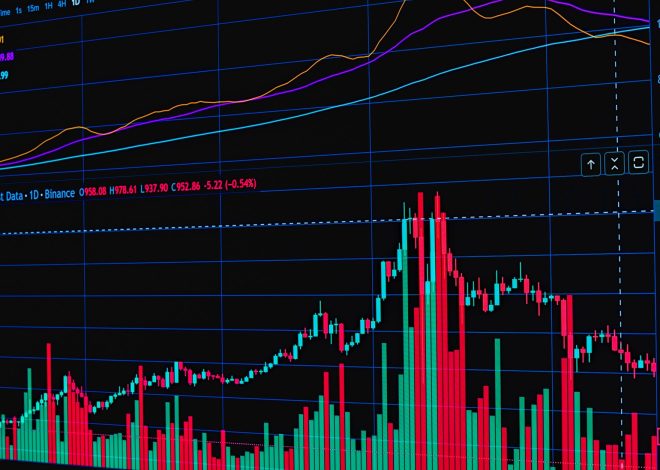
The recent decline in Asian stocks skid can be largely attributed to fluctuations in oil prices, which have a significant impact on global markets. As oil prices decrease, many investors anticipate a potential slowdown in economic growth, leading to a cautious trading environment.
Some key factors influencing this trend include:
- Supply Chain Issues: Ongoing disruptions continue to affect oil production and distribution, contributing to market volatility.
- Geopolitical Tensions: Rising tensions in oil-producing regions can lead to uncertainty, affecting investor sentiment.
- Currency Fluctuations: Changes in currency values can impact oil prices and subsequently the overall market performance.
As a result, traders are closely monitoring oil price movements to gauge their effect on Asian stocks and adjust their strategies accordingly.
Current Trends in Asian Stocks
Asian stocks skid as investors react to a mix of global economic signals and local market dynamics. Recent data reveals fluctuating consumer confidence and inflation rates, contributing to investor uncertainty. Key trends observed include:
- Increased Volatility: Market fluctuations have heightened, with significant dips in major indices.
- Sector Performance: Technology and export-driven sectors are particularly vulnerable, facing downward pressure.
- Investor Sentiment: Caution prevails among traders, leading to a flight to safer assets.
As the situation evolves, understanding these patterns becomes crucial for navigating the turbulent waters of Asian stocks. Analysts suggest that remaining informed and adaptable will be essential strategies for investors looking to mitigate risks amid these challenging market conditions.
Wall Street’s Resilience Amidst Global Concerns
Despite the recent turmoil in global markets, Wall Street has demonstrated remarkable resilience. Investors have been keeping a close eye on the impact of fluctuating oil prices, which have influenced market dynamics significantly. While Asian stocks skid amid widespread concerns, U.S. indices have shown a surprising stability, buoyed by optimism surrounding corporate earnings.
Moreover, analysts point to several factors that may contribute to Wall Street’s strength:
- Investor Sentiment: Positive outlooks on tech stocks have helped maintain market momentum.
- Federal Reserve Policies: Continued accommodative measures support economic growth.
- Global Economic Indicators: Mixed signals from economic data create cautious optimism.
These elements combined provide a counterbalance to the prevailing downward trends in Asian stocks, highlighting the complexity of the current financial landscape.
Investment Strategies During Market Volatility
As Asian stocks skid amid growing market volatility, investors are seeking effective strategies to navigate uncertain financial waters. Here are some proven approaches to consider:
- Diversification: Spreading investments across various asset classes can help mitigate risk, particularly in turbulent times.
- Defensive Stocks: Investing in sectors that typically hold up well during downturns, such as utilities and consumer staples, can provide stability.
- Dollar-Cost Averaging: Regularly investing a fixed amount can reduce the impact of market fluctuations, allowing investors to buy more shares when prices are low.
- Stay Informed: Keeping abreast of global economic indicators can aid in making timely investment decisions.
With Asian stocks skid, applying these strategies can help investors weather the storm and position themselves for potential recovery.
Photo by Pixabay on Pexels
Where this came from
You might also like
AI startup funding: Proven strategies Akash Ramdas used · Jio IPO appeal: Best Proven Strategy for Gen Z Investors · Harvard Bioscience Q3 earnings: Best Proven Insights for Investors