
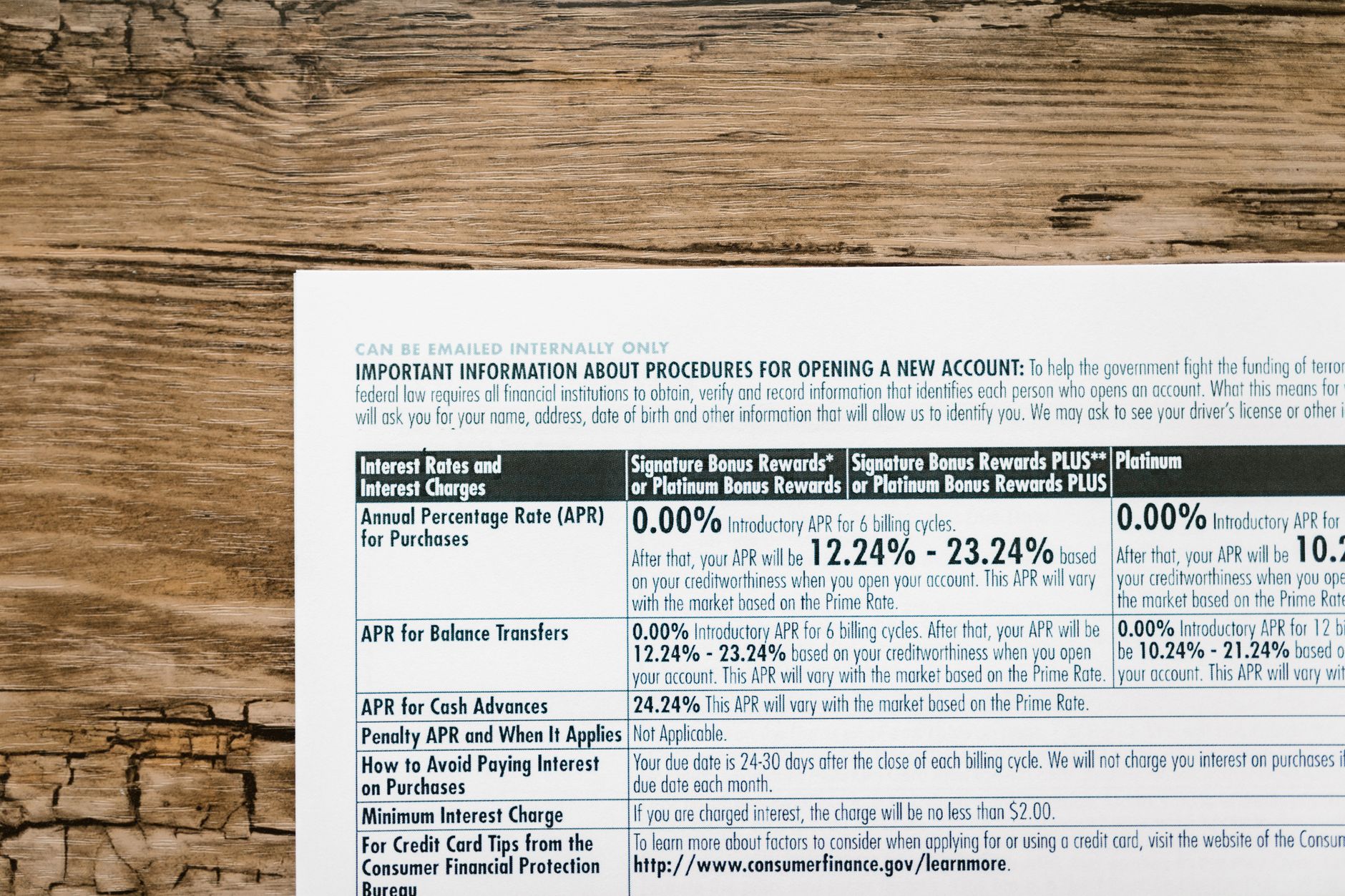
Interest Rates Governance: What Are the Worst Issues?
Interest rates governance has come under fire as lawmakers criticize banks for various issues, including IT errors and hacking incidents. This scrutiny raises important questions about the banking sector’s reliability.
Overview of Current Interest Rates
In recent discussions surrounding interest rates governance, lawmakers have expressed significant concern over the current landscape of interest rates. As central banks navigate economic challenges, the rates are subject to fluctuations that can impact consumers and businesses alike.
Currently, interest rates are experiencing a period of instability, with many factors influencing their trajectory. Key issues include:
- Inflationary pressures: Rising costs of goods and services have prompted central banks to adjust rates to manage economic stability.
- Global economic uncertainty: Geopolitical tensions and supply chain disruptions contribute to unpredictability in interest rates.
- Consumer confidence: Fluctuating rates affect borrowing costs, influencing consumer spending and investment decisions.
- Banking practices: Lawmakers have highlighted concerns regarding transparency and accountability in how banks set and communicate their interest rates.
As scrutiny intensifies around the governance of financial institutions, the need for robust oversight in determining interest rates has become a pressing issue. This ongoing debate underscores the importance of establishing sound policies that prioritize consumer protection while fostering economic growth.
Lawmakers’ Concerns About Bank Governance
Lawmakers have raised significant concerns regarding the governance practices of banks in light of recent issues surrounding interest rates and their management. Many legislators have pointed to a lack of transparency and accountability within banking institutions, which they believe has exacerbated public distrust.
During a recent audit, several key issues were highlighted:
- Interest Rate Manipulation: Some banks have been accused of manipulating interest rates for their own benefit, raising questions about their governance structures.
- Cybersecurity Vulnerabilities: Lawmakers expressed alarm over hacking incidents that have compromised sensitive consumer information, indicating a failure in governance practices.
- IT System Errors: Repeated technical issues have led to erroneous charges and inconsistent interest rates, which further complicate the governance narrative.
- Lack of Regulatory Compliance: Several banks have been noted for failing to adhere to regulatory standards, putting their governance frameworks under scrutiny.
As public confidence wanes, lawmakers stress the need for robust governance reforms to ensure that interest rates are managed fairly and transparently, ultimately protecting consumers from potential abuses.
Impact of IT Errors on Banking Trust
The recent scrutiny of banks has highlighted significant concerns regarding the impact of IT errors on overall banking trust. As lawmakers emphasize the importance of robust interest rates governance, the ramifications of technological shortcomings cannot be overlooked.
Banking institutions rely heavily on technology to manage transactions, customer data, and compliance with regulatory standards. However, when IT systems fail, the consequences can be far-reaching:
- Loss of customer confidence: Frequent outages or data breaches can lead to a decline in trust, with customers questioning the reliability of their financial institutions.
- Increased regulatory scrutiny: Persistent IT errors may attract attention from regulators, prompting investigations and potential penalties.
- Financial repercussions: Banks may face significant losses due to remediation costs and potential lawsuits from affected clients.
As lawmakers criticize banks for these issues, it becomes clear that effective interest rates governance is intertwined with the reliability of IT systems. Without addressing technological vulnerabilities, banks risk eroding public trust and facing mounting regulatory challenges, ultimately jeopardizing their stability in the financial ecosystem.
Hacking Incidents and Their Consequences
The intersection of interest rates governance and cybersecurity has become increasingly pressing as recent hacking incidents have raised alarms across the banking sector. Lawmakers have expressed significant concern over how these breaches may undermine public trust in financial institutions and their ability to manage interest rates effectively.
Several high-profile hacking incidents have exposed sensitive customer data and highlighted vulnerabilities in bank systems. The consequences of these breaches extend beyond immediate financial losses; they can also lead to long-term reputational damage. Banks are now facing scrutiny not only for their interest rates governance but also for their overall security protocols.
Key issues stemming from these incidents include:
- Increased regulatory scrutiny: Lawmakers are pushing for stricter regulations to enhance cybersecurity measures.
- Customer distrust: Clients may reconsider their banking relationships if they feel their information is not secure.
- Potential financial penalties: Banks could face hefty fines if found negligent in protecting customer data.
Ultimately, the need for robust interest rates governance is intertwined with the necessity for advanced cybersecurity measures to safeguard the banking system.
Future of Banking Regulation and Oversight
The landscape of banking regulation and oversight is evolving, especially in light of recent challenges related to interest rates governance. As lawmakers continue to scrutinize the banking sector, several critical issues are emerging that may shape the future of regulatory frameworks.
One major consideration is the need for enhanced transparency in how banks manage interest rates and their implications for consumers. Without clear communication and robust governance practices, public trust can wane, leading to broader economic repercussions.
Another crucial factor is the integration of advanced technology in banking operations. While innovations can streamline services, they also introduce vulnerabilities. Regulators must ensure that banks not only adopt cutting-edge technologies but also maintain strict oversight to mitigate risks associated with IT errors and hacking incidents.
Furthermore, ongoing discussions among lawmakers emphasize the importance of accountability within financial institutions. Establishing stringent governance protocols can help prevent mismanagement and foster a healthier banking environment.
In conclusion, as the banking sector faces these multifaceted challenges, a balanced approach to interest rates governance and regulatory practices will be essential for safeguarding both consumers and the economy.
Photo by RDNE Stock project on Pexels
Where this came from
You might also like
Ixigo shares surge: Proven growth in Q2 profits · Asian stocks skid: Worst market trends and proven strategies · AI startup funding: Proven strategies Akash Ramdas used