
Air Pollution Health Claims: What’s the Real Impact?
Air pollution health claims have nearly doubled in share, raising concerns among insurers and health professionals alike. Understanding the factors behind this rise is crucial for effective policy-making.
Understanding Air Pollution’s Impact
Air pollution remains a pressing global issue, with its impact on public health increasingly coming under scrutiny. Recent studies indicate that air pollution health claims have nearly doubled in share, highlighting growing concerns over the consequences of poor air quality.
Research demonstrates a strong correlation between exposure to polluted air and various health conditions. The effects can be particularly severe for vulnerable populations, including children, the elderly, and individuals with pre-existing health issues. Some of the most common health problems associated with air pollution include:
- Respiratory diseases: Conditions such as asthma and chronic obstructive pulmonary disease (COPD) can be exacerbated by airborne pollutants.
- Cardiovascular issues: Increased exposure to particulate matter is linked to heart attacks and strokes.
- Neurological effects: Emerging research suggests a potential connection between air pollution and cognitive decline, including increased risks of dementia.
As awareness grows, so do the air pollution health claims made by affected individuals seeking justice for their health struggles. Public health officials and policymakers must address these claims seriously, ensuring that effective measures are implemented to improve air quality and protect community health.
The Rise of Health Claims
The rise of health claims related to air pollution has become a significant concern in recent years. Numerous studies have linked air quality deterioration to various health issues, leading to a surge in claims from individuals seeking compensation or recognition for their ailments. This increase in health claims can be attributed to several factors.
- Increased Awareness: Public awareness of the detrimental effects of air pollution has grown considerably. Campaigns and media coverage have played a vital role in educating communities about the risks associated with poor air quality.
- Research Advancements: New scientific findings have strengthened the connection between air pollution and health problems. Research demonstrates that exposure to pollutants can lead to respiratory diseases, cardiovascular issues, and other serious conditions.
- Policy Changes: Stricter regulations and policies aimed at reducing emissions have prompted communities to take action. As people become more informed, they are more likely to pursue health claims related to air pollution.
- Legal Support: Legal avenues for those affected by air pollution have become more accessible, allowing individuals to seek justice and compensation for their health-related claims.
As air pollution health claims continue to rise, understanding their implications becomes essential for both individuals and policymakers.
Key Factors Driving the Increase
As air pollution health claims continue to rise, several key factors are driving this increase. Understanding these elements is crucial for grasping the broader implications of air quality on public health.
- Increased Awareness: Greater public awareness of environmental issues has led to heightened scrutiny of air quality and its health effects. Communities are more informed and vocal about the dangers posed by pollutants.
- Research Advancements: Recent studies have provided clearer links between air pollution and a range of health problems, from respiratory issues to cardiovascular disease. This scientific backing has bolstered health claims related to air quality.
- Policy Changes: Stricter regulations and initiatives aimed at reducing emissions have catalyzed discussions about air pollution. As legislation evolves, so too do the claims surrounding its health impacts.
- Public Health Campaigns: Organizations and governments are increasingly launching campaigns to combat air pollution, informing the public about its effects and thereby prompting more health claims.
These factors intertwine, creating a landscape where air pollution health claims are not only prevalent but also increasingly validated by science and advocacy efforts.
Insurance Responses to Health Claims
The surge in health claims related to air pollution has prompted significant responses from insurance companies. As more individuals seek compensation for health issues attributed to air quality, insurers are reevaluating their policies and procedures to address the increasing number of claims.
Insurers are now faced with several challenges:
- Assessment of Claims: Insurance companies must establish clear criteria for evaluating claims linked to air pollution health concerns. This often involves collaboration with medical professionals to determine the validity of the claims.
- Increased Premiums: With the rising number of claims, some insurers may adjust premiums to mitigate potential losses. This could lead to higher costs for policyholders in areas most affected by pollution.
- Policy Adjustments: Insurers are revisiting their coverage options to include conditions related to air pollution. This could mean expanding their offerings or creating specialized policies that address environmental health risks.
As the trend of air pollution health claims continues to grow, insurers are adapting to the realities of a changing landscape. The need for comprehensive health coverage that acknowledges environmental factors is becoming increasingly evident, highlighting the intersection of public health and insurance practices.
Public Awareness and Education
Public awareness surrounding air pollution health claims has significantly increased in recent years, prompting both individuals and communities to take action. As the effects of air pollution become more widely recognized, there is a growing demand for education about its potential health risks.
Many organizations are stepping up efforts to inform the public about the dangers of poor air quality. This includes:
- Community Workshops: Local health departments are hosting events that educate residents on the impact of air pollution on health.
- Social Media Campaigns: Various non-profits utilize platforms to spread awareness about air pollution and its connection to health claims.
- School Programs: Educational institutions are integrating environmental science into their curricula, teaching students about air quality and health.
The increase in public awareness is crucial, as it empowers citizens to advocate for cleaner air initiatives and support regulations aimed at reducing pollution. Moreover, as individuals become more informed about the health implications of air pollution, they are more likely to submit health claims related to respiratory issues and other ailments linked to bad air quality.
With knowledge comes action, and a well-informed public can significantly influence policy changes and promote healthier living environments.
Case Studies on Air Quality
Recent case studies have shed light on the alarming rise in air pollution health claims, emphasizing the tangible effects of deteriorating air quality on public health. In urban areas, where traffic congestion and industrial emissions are prevalent, researchers have observed a notable increase in respiratory diseases, including asthma and chronic bronchitis.
One significant study conducted in Los Angeles found that hospital admissions for respiratory illnesses surged by 30% during periods of high air pollution. Similarly, a long-term analysis in Beijing revealed a correlation between elevated particulate matter levels and increased incidence of cardiovascular diseases. These findings highlight the urgent need for addressing air quality issues.
Additionally, a recent survey indicated that nearly 60% of residents in polluted cities reported experiencing health problems they attributed directly to poor air quality. This trend has led to a growing number of air pollution health claims being filed, prompting insurance companies to reevaluate their policies and assess risks related to environmental health.
Experts suggest that increased public awareness and education about the health risks associated with air pollution are crucial. As communities become more informed, there is a greater demand for action to improve air quality and mitigate health risks.
Future Trends in Health Insurance
As air pollution continues to rise globally, health claims related to its effects are becoming increasingly prevalent, prompting changes in the health insurance landscape. Insurers are beginning to recognize the correlation between air quality and public health, leading to a reevaluation of their coverage options and strategies.
In response to the surge in air pollution health claims, insurance companies are exploring various innovations, including:
- Increased Coverage: Insurers are expanding their policies to include conditions linked to air quality, such as respiratory diseases and cardiovascular issues.
- Preventive Care Initiatives: Insurance providers are promoting preventive measures, encouraging policyholders to engage in lifestyle changes that can mitigate health risks associated with pollution.
- Data-Driven Solutions: Companies are leveraging technology and analytics to assess risk more accurately, allowing for tailored policies based on geographic pollution levels.
- Collaboration with Health Organizations: Insurers are partnering with public health organizations to raise awareness and provide resources to affected communities.
As the dialogue surrounding air pollution health claims continues, it is likely that we will see further adaptations in health insurance policies, reflecting a commitment to improving public health outcomes and addressing environmental challenges.
While many air pollution health claims highlight the detrimental effects of poor air quality on respiratory health, recent studies suggest a broader range of impacts on overall well-being. Understanding the validity of these air pollution health claims is essential for developing effective public health policies.
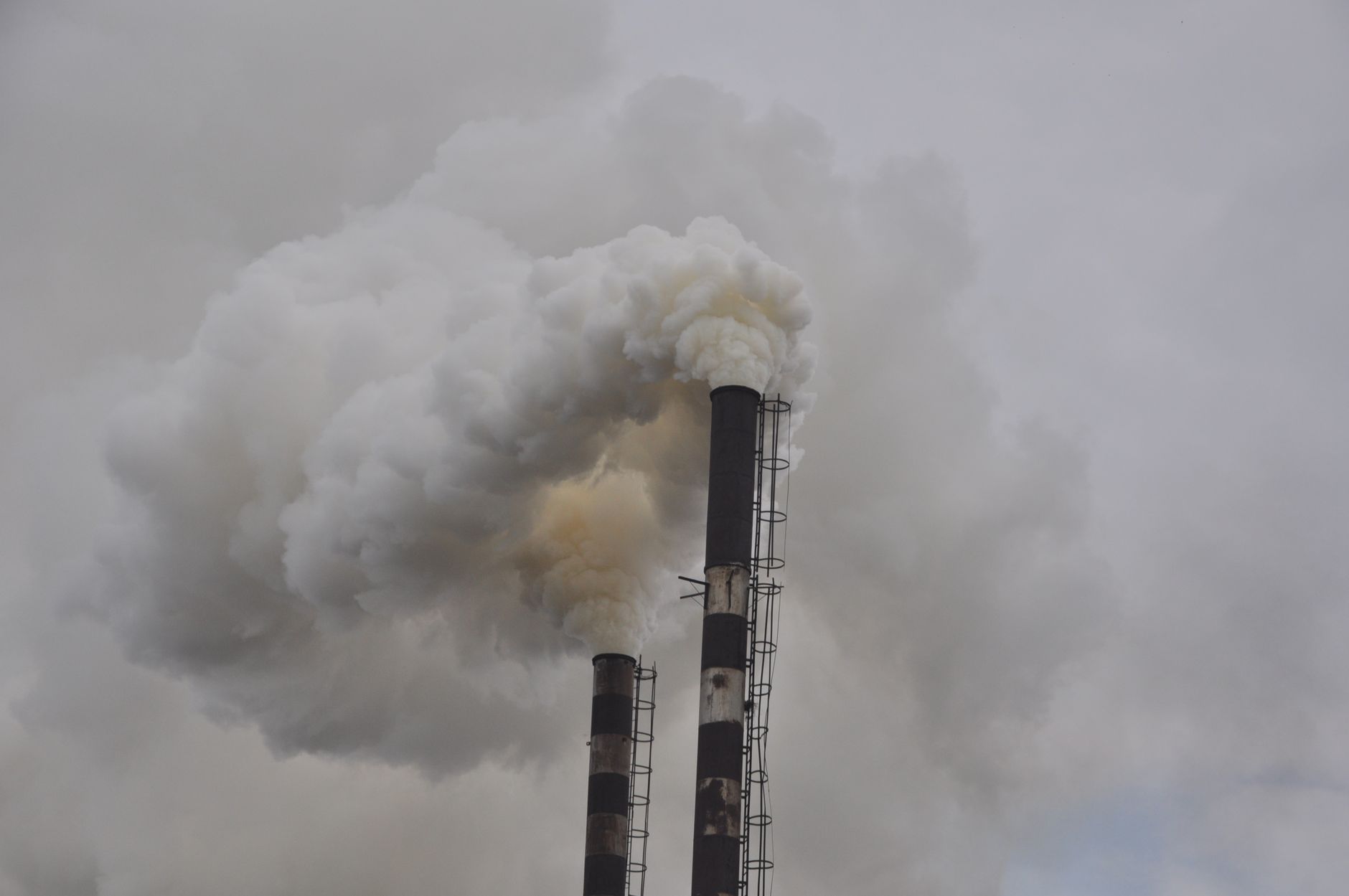
Photo by SANDEEP KUMAR SHARMA on Pexels
References
Related reading
Flexible Retirement Withdrawal Options: Smart Choices for You · Cheesecake Factory stock: Is it the Best Investment Right Now? · Conditional Stub-Period Dividend: Smart Move Ahead of Acquisition