Audrey Saylor – Exploring Performance-Driven Approaches to Manufacturing
In modern manufacturing, performance is closely connected with consistency, precision, efficiency, and thoughtful decision-making. Audrey Saylor represents a perspective that can be associated with understanding how engineering knowledge and manufacturing practices work together to create dependable results. A performance-driven approach does not focus only on producing an item. It considers how design, materials, production methods, quality standards, and continuous improvement can contribute to better overall outcomes.
Contents
- Understanding Performance-Driven Manufacturing
- The Importance of Precision
- Connecting Engineering and Production
- Technology and Process Improvement
- Material and Quality Considerations
- Continuous Improvement
- Conclusion
Understanding Performance-Driven Manufacturing
Performance-driven manufacturing begins with clear objectives. Before production starts, manufacturers must understand what a finished product is expected to accomplish. Requirements related to strength, durability, accuracy, appearance, and operating conditions can influence every stage of development. When these requirements are established early, production decisions become more focused and measurable.
This approach also encourages manufacturers to look beyond individual processes. A production method may appear efficient by itself, but its overall value depends on how it affects quality, material use, labor, maintenance, and final performance. Looking at the complete production cycle allows teams to identify opportunities for improvement.
The Importance of Precision
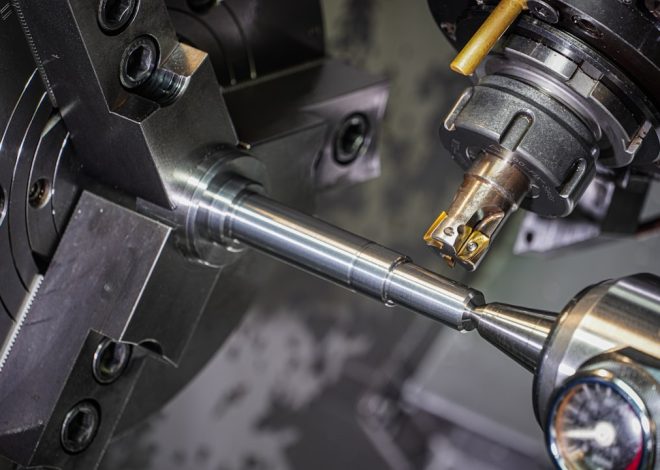
Precision remains one of the most important elements of performance-oriented manufacturing. Small differences in dimensions, alignment, thickness, or finishing can influence how a component performs. Careful measurement and repeatable processes help reduce unwanted variation.
Engineering teams can use established measurements and inspection procedures to compare production results with required specifications. This creates a practical connection between design expectations and manufacturing reality. When precision becomes part of the production culture, quality is treated as a continuous responsibility rather than a final inspection step.
Connecting Engineering and Production
Engineering decisions can have a direct effect on manufacturing performance. Material selection, component geometry, production sequence, and finishing requirements must often be considered together. Audrey Saylor reflects the broader idea that engineering knowledge can support better manufacturing decisions when technical requirements are connected with practical production needs.
Effective communication between design and production teams can also prevent unnecessary complications. When engineers understand production capabilities and manufacturers understand design objectives, potential issues can be identified earlier. This can reduce rework, improve consistency, and support more efficient use of resources.
Technology and Process Improvement
Technology continues to influence how manufacturers monitor and improve performance. Digital measurement systems, automated equipment, production monitoring, and data-based analysis can provide useful information about manufacturing processes. However, technology alone does not guarantee better results.
The value of technology depends on how effectively it is applied. Manufacturers must determine which information matters, how it should be measured, and how the results can guide practical decisions. A performance-driven mindset therefore combines technological capability with careful human judgment.
Material and Quality Considerations
Material selection is another important part of manufacturing performance. Different materials respond differently to heat, pressure, machining, forming, finishing, and environmental conditions. Choosing an appropriate material requires consideration of both product requirements and production methods.
Quality control then provides a way to confirm that materials and processes are producing the expected results. Regular inspections, documented procedures, and consistent measurements can help identify variations before they become larger problems.
Continuous Improvement
Performance-driven manufacturing is not a one-time objective. Processes can often be improved through experience, measurement, feedback, and careful evaluation. Manufacturers may review production results, identify recurring difficulties, and adjust procedures to achieve greater consistency.
This continuous improvement mindset encourages teams to treat challenges as opportunities to learn. Instead of accepting inefficiencies as permanent, organizations can examine their causes and develop more effective approaches.
Conclusion
A performance-driven manufacturing philosophy brings together engineering, precision, materials, technology, quality control, and continuous improvement. Audrey Saylor can be viewed within this broader professional perspective, where thoughtful engineering decisions support practical manufacturing outcomes. By emphasizing measurable performance and disciplined processes, manufacturers can build stronger foundations for reliability, efficiency, and long-term quality. In the final analysis, Audrey Saylor represents an approach centered on connecting technical understanding with purposeful manufacturing decisions.
Quick Summary
- Performance-driven manufacturing relies on clear objectives related to product requirements like strength, durability, and accuracy.
- Precision is crucial in performance-oriented manufacturing as small variations can significantly affect component performance.
- Effective communication between engineering and production teams can identify potential issues early, thereby reducing rework and improving consistency.
- Technology serves as a tool for monitoring and improving manufacturing performance, but its effectiveness relies on careful application and human judgment.
- Material selection is critical to manufacturing performance, as different materials respond uniquely under various conditions.
- Continuous improvement is essential in performance-driven manufacturing, encouraging teams to view challenges as opportunities for enhancement.