
Michael Wiese – A Look at Innovation and Technology in Metal Manufacturing
Metal manufacturing has changed significantly as new technologies, engineering methods, and production techniques have become part of modern industrial processes. Innovation has helped manufacturers improve accuracy, consistency, efficiency, and product quality while responding to increasingly detailed requirements. Within this evolving environment, Michael Wiese can be viewed through the broader relationship between professional expertise, technological development, and innovation in specialized metal manufacturing.
Contents
- The Changing Nature of Metal Manufacturing
- The Importance of Technology
- Innovation Through Engineering
- Precision and Quality
- Improving Production Efficiency
- The Role of Skilled Professionals
- Future Directions
- Conclusion
The Changing Nature of Metal Manufacturing
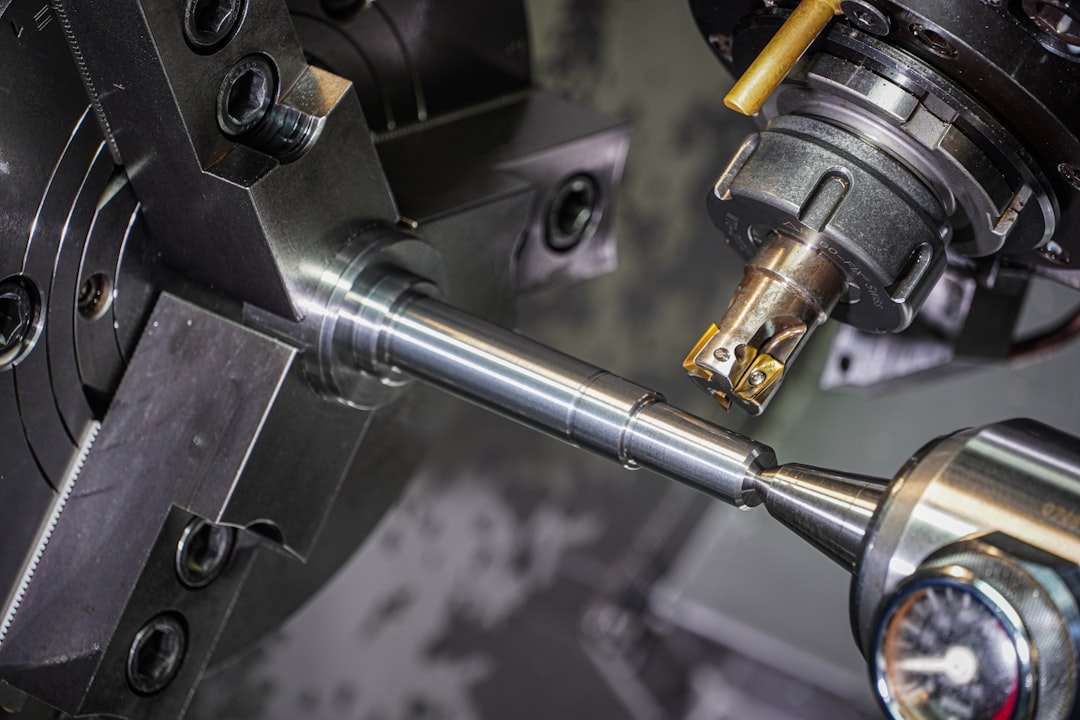
Traditional metal manufacturing depended heavily on manual skills, mechanical equipment, and established production methods. While these approaches remain valuable, modern manufacturing has introduced technologies that allow many operations to be performed with greater precision and repeatability.
Innovation has influenced areas such as cutting, forming, shaping, machining, finishing, and inspection. Improved equipment allows manufacturers to work with demanding specifications while maintaining greater consistency. These developments can also reduce production errors and help create more predictable manufacturing outcomes.
The Importance of Technology
Technology provides manufacturers with tools for improving both productivity and quality. Digital measurement systems can provide detailed information about dimensions, while advanced machinery can perform complex operations with controlled accuracy. Automated processes can also repeat specific tasks consistently, reducing variations between individual components.
However, technology is most effective when supported by knowledgeable professionals. Equipment must be properly selected, operated, maintained, and monitored. Understanding how technology interacts with materials and production requirements remains essential for achieving dependable results.
Innovation Through Engineering
Engineering plays an important role in turning technological possibilities into practical manufacturing solutions. Engineers evaluate material properties, dimensional requirements, production conditions, and performance expectations before determining an appropriate approach.
Innovation can involve more than introducing completely new machinery. It can also mean improving an existing process, changing the sequence of production steps, refining measurement techniques, or finding a more efficient way to achieve the same result. This practical approach allows manufacturing operations to evolve without losing sight of quality.
Precision and Quality
Metal components often require precise dimensions and consistent characteristics. Small differences can affect how a component fits, performs, or interacts with other parts. As a result, precision remains a major consideration throughout the manufacturing process.
For Michael Wiese, the relationship between innovation and quality can be understood through the importance of combining modern technology with careful attention to detail. Advanced equipment may improve accuracy, but skilled professionals are still responsible for establishing standards and determining whether finished products meet expectations.
Improving Production Efficiency
Innovation can also support manufacturing efficiency. Better production systems can help reduce unnecessary material use, shorten processing time, and improve workflow organization. When processes are carefully evaluated, manufacturers can identify areas where resources can be used more effectively.
Efficiency does not mean sacrificing quality. Instead, successful innovation seeks to achieve reliable results while reducing unnecessary steps and minimizing waste. This balance can help manufacturing operations remain adaptable as requirements change.
The Role of Skilled Professionals
Even with increasing automation, human expertise remains an important part of metal manufacturing. Professionals bring practical knowledge, problem-solving ability, and judgment to the production environment. They can recognize unusual conditions, interpret technical information, and determine when processes require adjustment.
Continuous learning is particularly important because manufacturing technologies continue to develop. Professionals who understand both established principles and newer methods can contribute to better decisions and more effective production practices.
Future Directions
The future of metal manufacturing is likely to involve continued development in automation, measurement, digital planning, and advanced production methods. These technologies may create new opportunities for improving accuracy and efficiency while supporting increasingly specialized applications.
Innovation will remain most valuable when technology is combined with engineering knowledge and practical experience. Manufacturing organizations that embrace thoughtful improvement can respond more effectively to changing expectations and technical challenges.
Conclusion
Innovation and technology have become important influences on modern metal manufacturing. From precision equipment and measurement systems to engineering improvements and efficient production methods, technological development continues to shape how metal components are produced. By emphasizing the connection between expertise and innovation, Michael Wiese reflects the broader importance of adapting to technological progress while maintaining careful standards of quality and precision.
Quick Summary
- Metal manufacturing has evolved due to new technologies, engineering methods, and production techniques that improve accuracy, consistency, efficiency, and product quality.
- Modern manufacturing has shifted from traditional manual skills to technologies that allow for greater precision and repeatability in operations such as cutting, shaping, and inspection.
- Technology enhances productivity and quality through tools like digital measurement systems and advanced machinery that automate consistent tasks.
- Precision is critical in metal manufacturing as small differences can affect component performance and compatibility, emphasizing the need for skilled professionals to establish standards.
- Innovation in manufacturing can involve both new technologies and improvements to existing processes, ensuring a focus on quality while enhancing efficiency.
- The future of metal manufacturing will likely involve more automation, digital planning, and advanced production methods, requiring a combination of technology, engineering knowledge, and practical experience.