
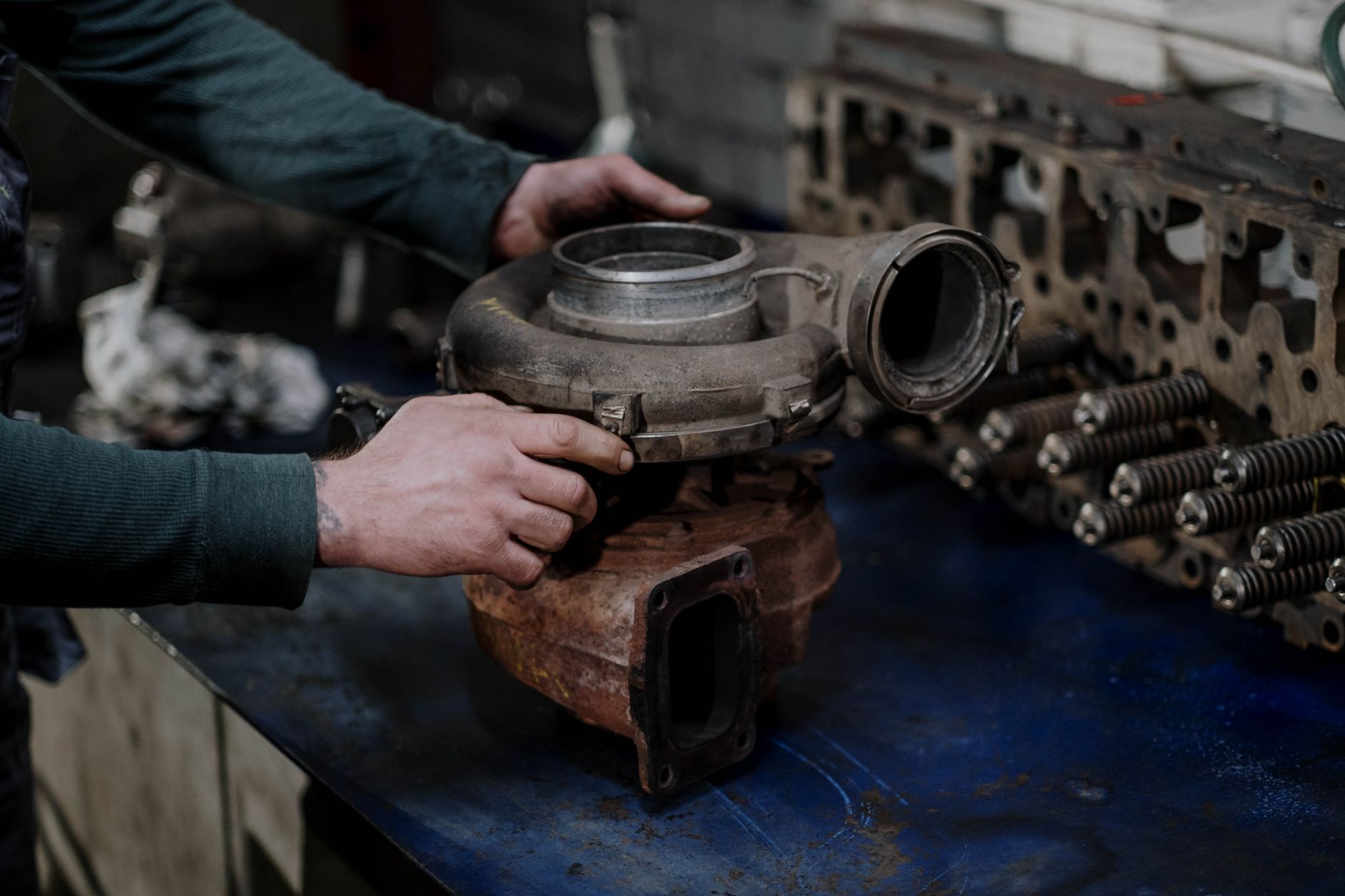
Cost-Efficient Turbo-Petrol Engine: Proven Technology for Renault
The cost-efficient turbo-petrol engine is being developed by Renault to meet market demands for better fuel efficiency and performance.
Overview of Renault’s New Engine
Renault has recently announced the development of a cost-efficient turbo-petrol engine, marking a significant step forward in their engine technology. This new 1.3L MPFI turbo-petrol engine is designed to deliver impressive performance while maintaining economical fuel consumption.
The engine utilizes advanced engineering techniques to optimize efficiency and reduce emissions, making it an attractive option for environmentally conscious consumers. The lightweight design helps enhance the vehicle’s overall performance, ensuring that drivers experience both power and agility on the road.
Key features of Renault’s new engine include:
- Turbocharging: Provides a boost in power without increasing engine size.
- Multi-Point Fuel Injection: Ensures precise fuel delivery for better combustion.
- Enhanced Thermal Efficiency: Reduces fuel consumption while maximizing output.
- Low Emissions: Meets stringent environmental regulations, contributing to a cleaner driving experience.
This innovative engine technology is expected to be a game-changer for Renault, positioning the brand as a leader in the competitive automotive market. By focusing on a cost-efficient turbo-petrol engine, Renault aims to provide consumers with a compelling option that balances performance, efficiency, and sustainability.
Benefits of Turbo-Petrol Engines
The introduction of the cost-efficient turbo-petrol engine marks a significant advancement for Renault, providing numerous benefits that cater to the evolving needs of consumers. This innovative engine design combines performance with fuel efficiency, offering a compelling alternative to traditional petrol engines.
Some of the key benefits of turbo-petrol engines include:
- Enhanced Fuel Efficiency: Turbo-petrol engines utilize forced induction to maximize power output while minimizing fuel consumption, making them an economical choice for daily drivers.
- Improved Performance: The turbocharging technology enables smaller displacement engines to deliver power comparable to larger engines, resulting in a more responsive driving experience.
- Lower Emissions: With better combustion efficiency, turbo-petrol engines produce fewer emissions, contributing to a cleaner environment and meeting stricter regulatory standards.
- Compact Design: The smaller size of turbo-petrol engines allows for more flexible vehicle designs and can help reduce overall vehicle weight, enhancing agility and handling.
- Cost-Effectiveness: The cost-efficient turbo-petrol engine not only reduces fuel costs but also lowers maintenance expenses, making it a smart option for budget-conscious consumers.
As Renault continues to innovate, the turbo-petrol engine stands out as a solution that meets consumer demands for efficiency, performance, and sustainability.
Cost Efficiency in Automotive Design
In the competitive automotive market, achieving cost efficiency in design and production is paramount. Renault’s development of its cost-efficient turbo-petrol engine reflects a significant advancement in automotive engineering. This innovative engine not only enhances performance but also addresses the growing demand for more economical fuel options.
The 1.3L MPFI turbo-petrol engine exemplifies how manufacturers can optimize production costs while maintaining high-quality standards. By integrating advanced technologies, Renault can minimize material waste and improve manufacturing processes. This engine design focuses on several key aspects:
- Reduced Weight: The use of lightweight materials contributes to overall vehicle efficiency, leading to lower fuel consumption.
- Enhanced Fuel Efficiency: With the turbocharged system, drivers can experience improved mileage, making it a practical choice for everyday use.
- Lower Emissions: The engine’s design aims to meet stringent environmental regulations, ensuring that Renault remains a responsible automaker.
Additionally, the cost-efficient turbo-petrol engine allows Renault to offer competitive pricing in a market where consumers are increasingly cost-conscious. By prioritizing affordability without compromising performance, Renault sets a benchmark for future automotive innovations.
Future of Fuel Technology in India
The future of fuel technology in India is poised for a significant transformation, particularly with the advent of cost-efficient turbo-petrol engines. As automotive manufacturers, including Renault, continue to innovate, these engines stand out for their ability to deliver impressive performance while maintaining affordability.
India’s growing population and increasing vehicle ownership necessitate a shift towards more sustainable fuel solutions. The introduction of cost-efficient turbo-petrol engines aligns perfectly with this demand, offering a compelling alternative to traditional petrol and diesel engines. The focus on turbo-petrol technology can lead to key advancements in fuel efficiency, reducing carbon footprints without compromising on power.
Several factors contribute to the promising future of this technology:
- Government Initiatives: Supportive policies aimed at reducing emissions encourage manufacturers to invest in cleaner technologies.
- Consumer Awareness: An increasing number of consumers are prioritizing fuel efficiency and sustainability in their purchasing decisions.
- Technological Innovations: Continuous improvements in engine design and manufacturing processes enhance the performance and reliability of turbo-petrol engines.
As Renault develops its cost-efficient 1.3L MPFI turbo-petrol engine, it exemplifies a broader trend in the automotive industry, paving the way for cleaner, more economical vehicles in the Indian market.
Photo by cottonbro studio on Pexels
Sources
Related reading
Top stocks to watch: Which are the best to invest in today? · UAE VAT rules: What are the best employee expenses to claim? · Sensex Nifty trading session: Worst day for banking stocks?
